Get A Quick Quote

Name *

E-mail *

Company Name *

Country / Region *

Product Interested In *

Helical Piles

Ground Screws

Anchoring Rods

Accessories

Estimated Quantity

Upload Drawing / File

Phone / WhatsApp

Message / Project Details*

Thank you for your inquiry. Our sales engineer will review your request and contact you as soon as possible.

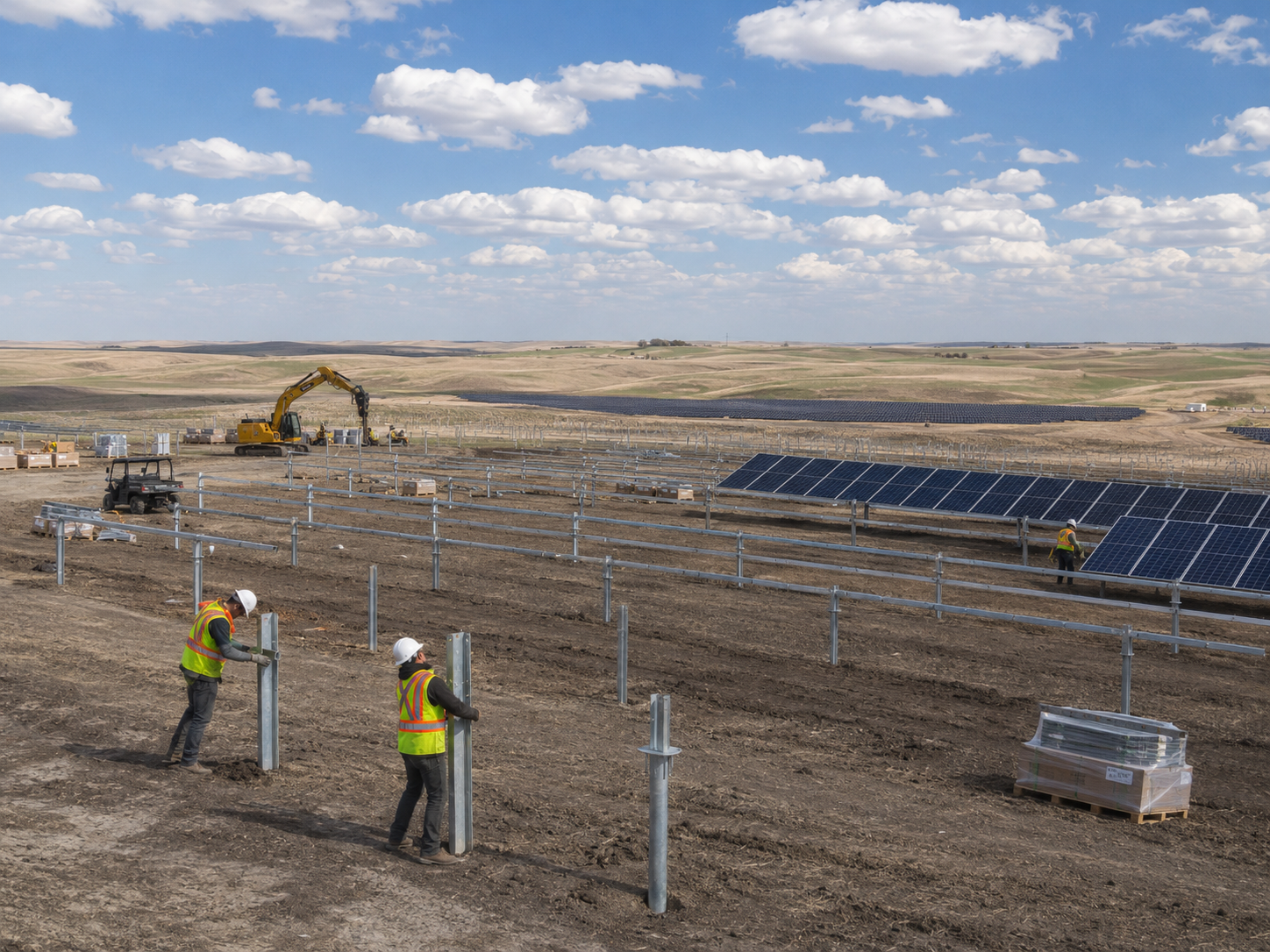
Helical Pile Foundation Case for PV Power Station: Large-Scale Ground-Mounted Solar Project in Alberta, Canada

Summarize
Industry:

Municipal/Environmental Protection/Park Infrastructure

Application:

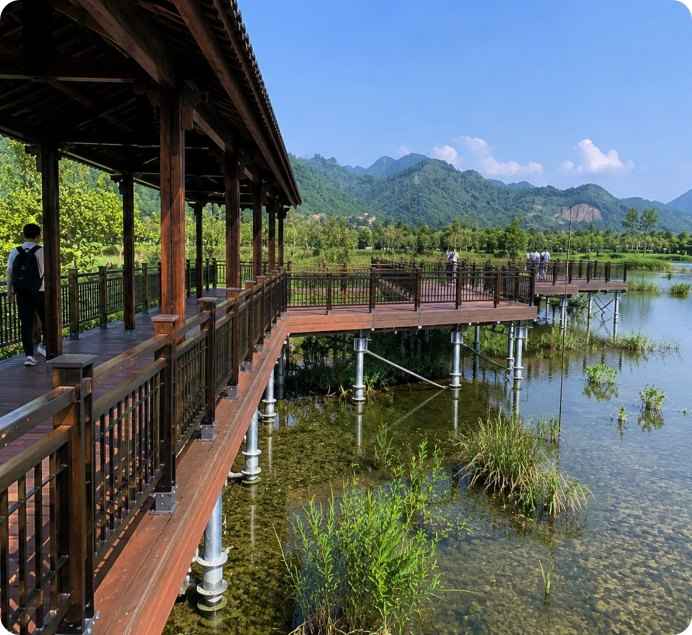
Wetland boardwalk, corridor bridge, and footpath foundation

Project type:

Lightweight structure foundation in ecologically sensitive areas
Overall summary of the project

The wetland park, ecological plank road, and corridor bridge projects have stringent environmental protection requirements for foundation construction. The foundation system must not only support the upper walkway or corridor bridge structure but also minimize damage to vegetation, water bodies, soft ground, and the landscape environment. This case is highly suitable for Xinzhai as a representative example of an “environmentally friendly foundation solution”.

Project Location Jiulong Wetland Park, Lishui, Zhejiang, China
Project Location 15 days
Project scale/amount 300,000 yuan

Project Background
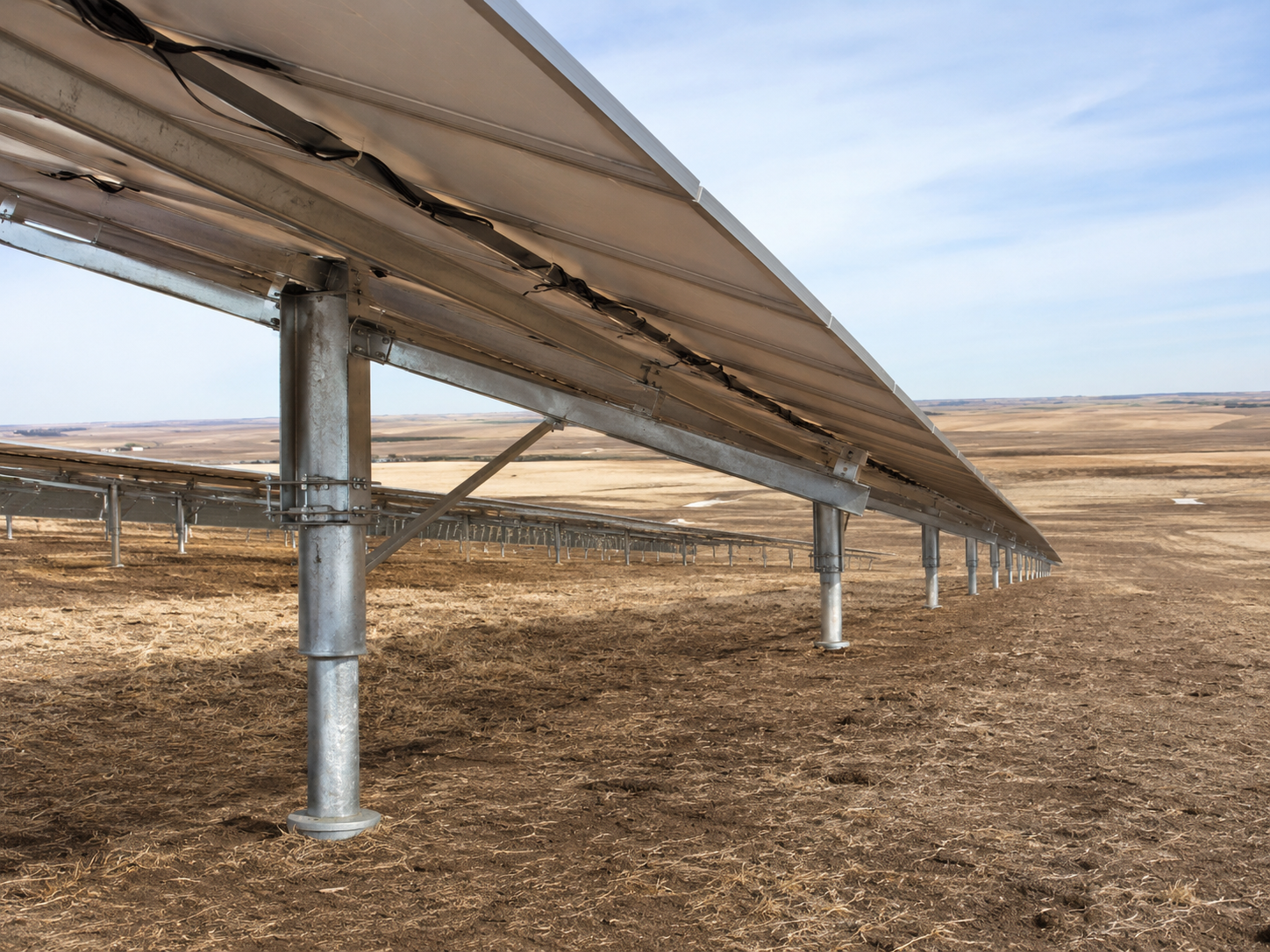
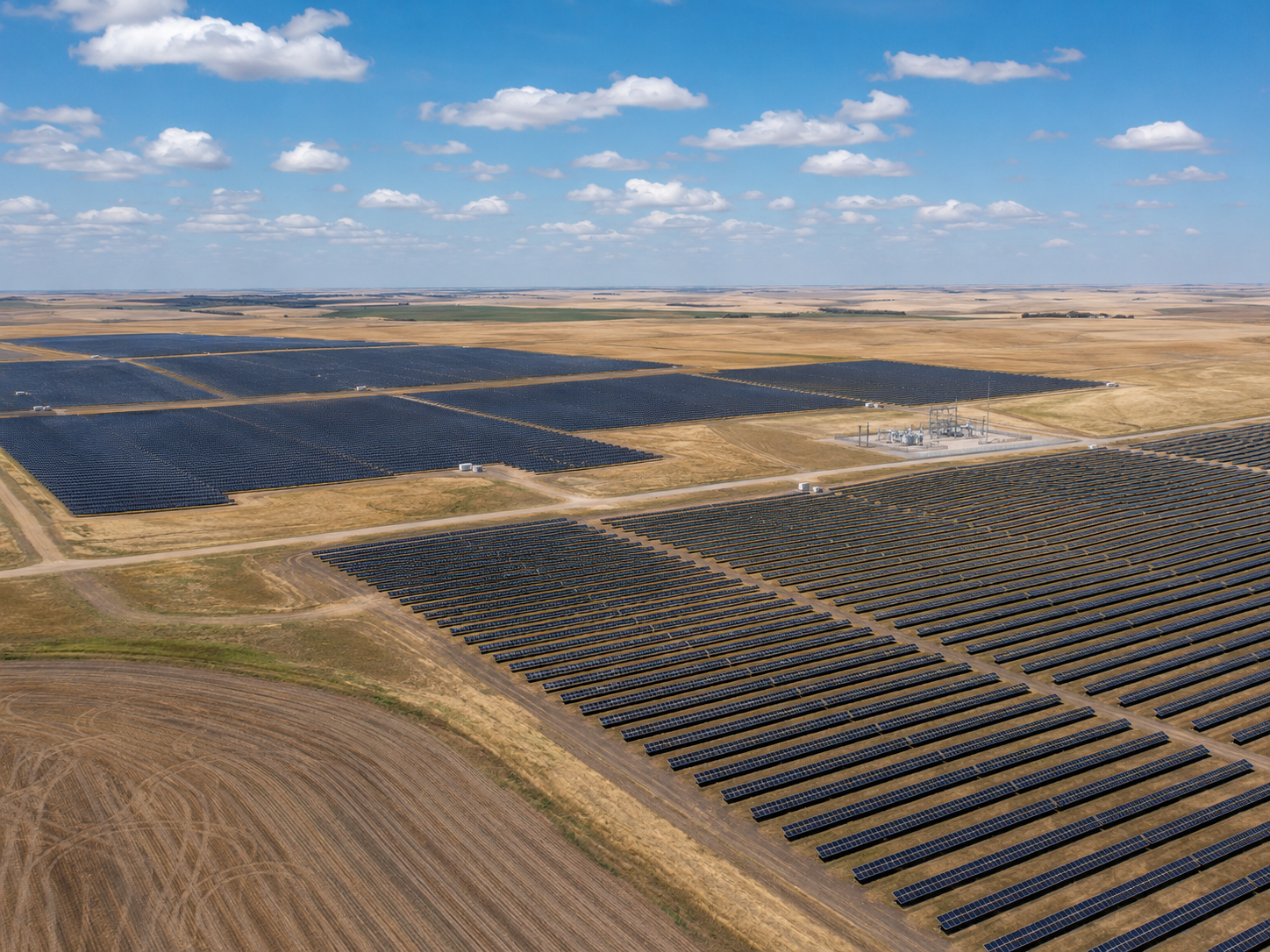
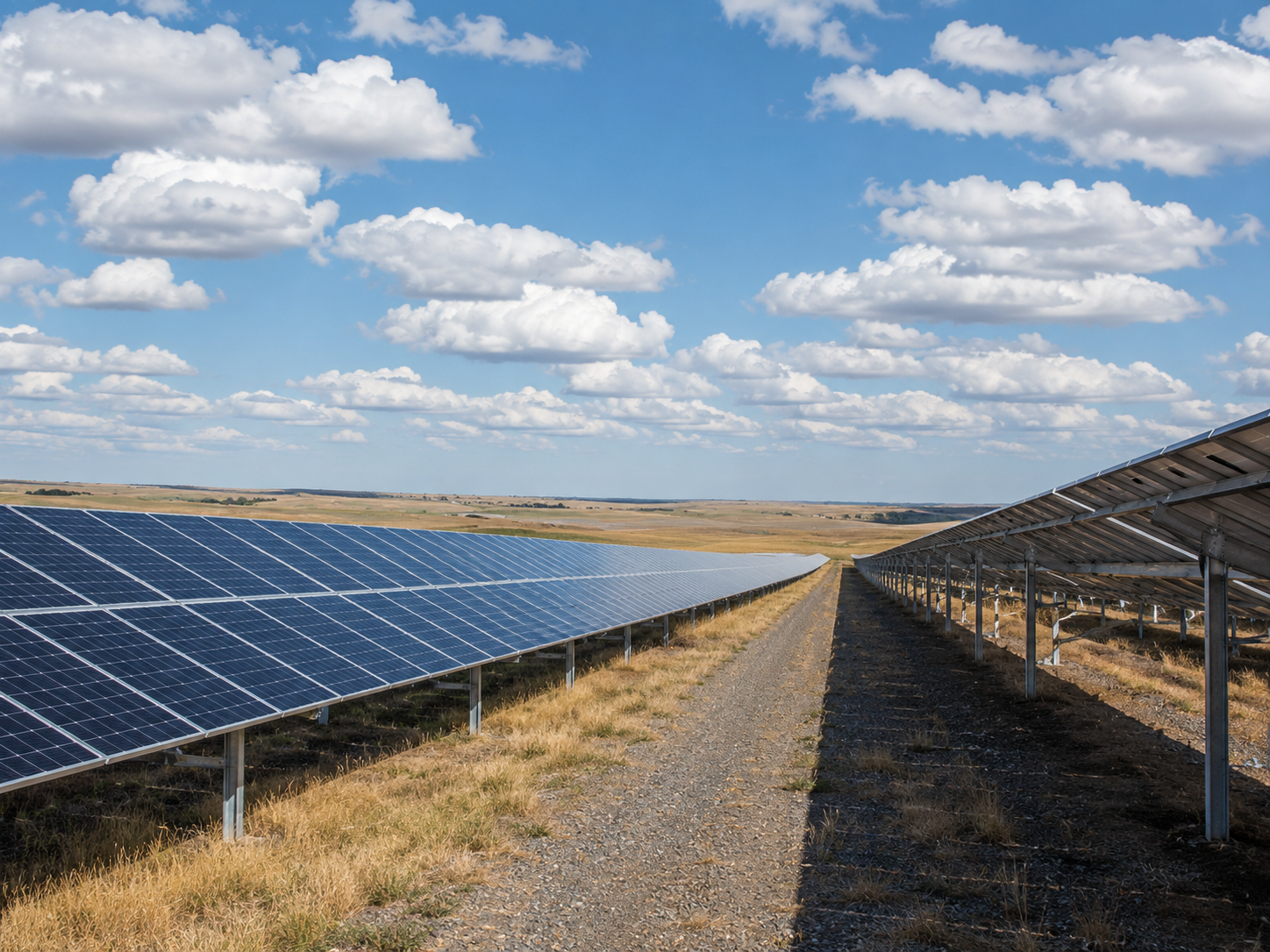
This project is located in Alberta, Canada, representing a typical application scenario of large-scale ground-mounted photovoltaic power stations. Unlike conventional building foundations, PV power stations feature a massive quantity of foundation points covering a wide area with highly repetitive layout. The foundation system must be highly coordinated with solar mounting frames, module arrangement, cable routing and on-site construction schedules. For such projects, foundations are not isolated civil components; they constitute a critical link that determines the overall installation efficiency of solar supports and the long-term stability of power generation systems. Poor control of pile position deviation, pile top elevation or verticality will adversely affect subsequent mounting frame assembly, module leveling and electrical construction work.
Project Challenge
A huge number of pile points require foundation solutions with high repeatability and superior installation efficiency.
Solar mounting frames are significantly affected by wind loads, so the foundations shall simultaneously resist vertical compression, uplift force and provide adequate lateral stability.
Projects in Canada need to address frost heave, low-temperature construction, variable soil strata and long-term anti-corrosion requirements.
Conventional concrete foundations involve excavation, formwork erection, pouring and curing, which bring heavy pressure on construction duration and logistics during large-area construction.

Engineering Theoretical Explanation

Helical piles are ideal for photovoltaic power station foundations primarily because their helical flights form effective bearing planes within the soil, transferring loads from the upper mounting frames down to more stable soil strata. For solar support structures, in addition to vertical compressive loads induced by self-weight and snow loads, uplift forces generated by wind suction are equally critical. The anchoring effect of helical flights embedded in soil substantially boosts the uplift resistance of the foundation.
From the perspective of construction quality control, the installation torque generated during the screwing-in of helical piles serves as a vital reference for on-site quality inspection. While the ultimate bearing capacity shall be determined by engineering calculations and mandatory load tests, torque records can verify whether the pile shaft has penetrated the designed bearing stratum and improve dimensional uniformity during mass installation.
Compared with conventional concrete foundations, helical piles represent a low-disturbance foundation solution, eliminating large-scale excavation and lengthy curing periods during construction. For photovoltaic projects characterized by dense pile layouts, tight construction schedules and expansive job sites, helical piles significantly streamline coordination between civil works and mounting frame assembly.
SSP basic scheme proposal expression
SSP can provide round tubular screw pile foundations for park corridors, landscape trails, viewing platforms, wooden platforms, and lightweight facilities in urban public spaces. The pile top connection can be adapted to wooden beams, steel beams, or prefa
For urban park, greenway corridor, landscape trail, leisure plank road, elevated viewing platform, and other municipal landscape scenarios, traditional concrete foundations have pain points such as large excavation volume, damage to greening, long construction period, cumbersome road restoration, and significant ecological impact. This solution adopts hot-dip galvanized spiral pile prefabricated foundations to replace traditional cast-in-place foundations. It is suitable for complex working conditions in parks, such as soft soil, backfill soil, and shallow surface soil layers of green spaces. It achieves zero large-scale excavation, zero damage to greening, rapid construction, and immediate completion. It is the optimal foundation solution for lightweight, ecological, and rapid construction of urban landscape projects.

Project Value

Shorten the foundation construction cycle; the mounting frame installation phase can be carried out right after pile installation is finished.
Cut down on on-site excavation, waste soil and concrete wet construction works.
Improve the uniformity and controllability of foundation construction for large-area solar mounting frames.
Reduce difficulties in on-site construction management, enabling rapid deployment of overseas photovoltaic projects.

+86-186 1244 2058

martinliu@ssppilechina.com