





Thank you for your inquiry. Our sales engineer will review your request and contact you as soon as possible.
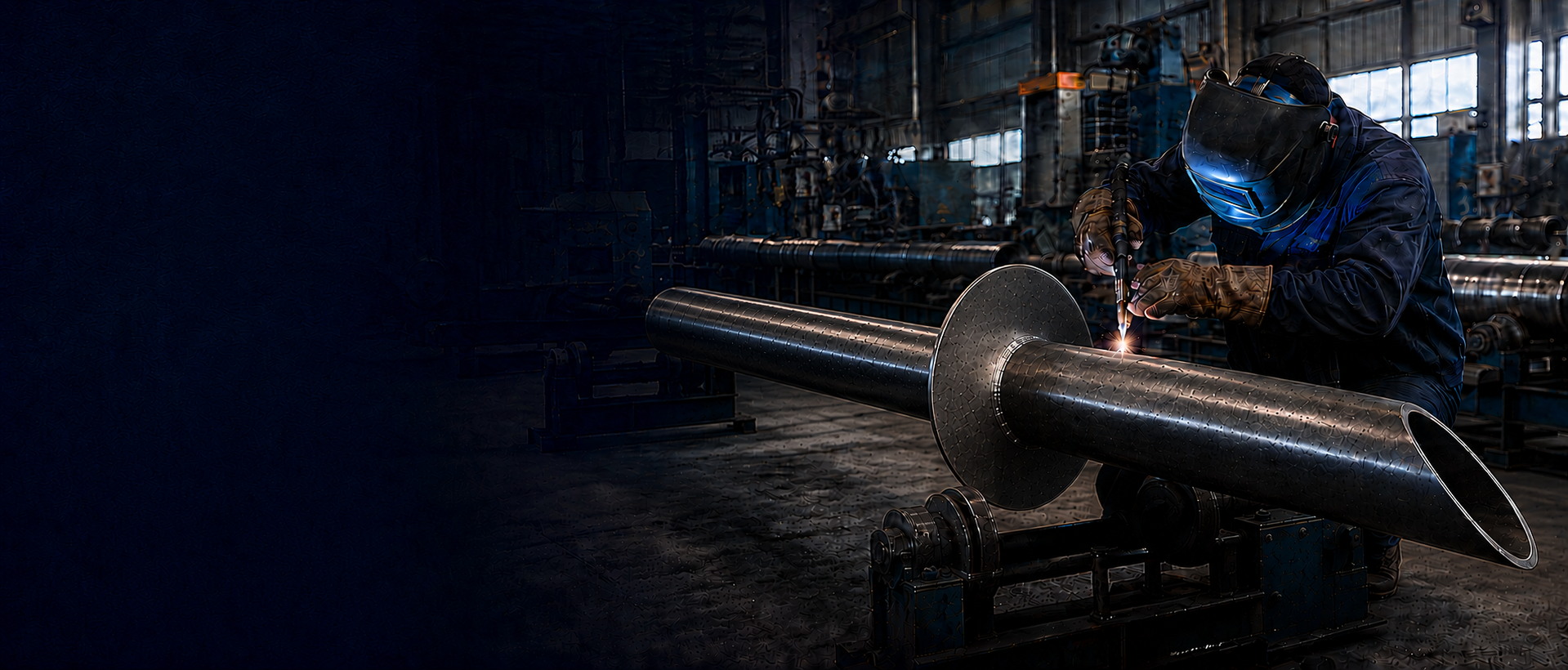


Product Engineering & Technical Support for Helical Pile Applications
Customers who are new to helical piles often need help understanding which product information matters and how a preliminary pile concept can be developed. Experienced customers may need a manufacturer to review drawings, discuss an unusual application or improve manufacturability. SSP provides product-level engineering and technical support for both situations, with a clear boundary between advisory input and licensed local design.
Product Support That Starts With the Application
Helical piles are not selected by one number alone. Structure type, loads, soil profile, groundwater, frost, corrosion exposure, installation access, equipment capacity, connections and local regulations may all influence the product configuration. SSP begins by understanding the intended application and the information already available.
When information is incomplete, we help the customer identify the questions that should be answered before product requirements are finalized. This creates a more efficient discussion with the customer's local geotechnical and structural professionals.
Scope of Preliminary Engineering Support
Based on customer-provided drawings, specifications, geotechnical information and application requirements, SSP can offer preliminary guidance on pile type, shaft size, helix arrangement, extensions, connections, caps, brackets and related accessories. We can also discuss general load-capacity considerations, product suitability, corrosion protection and installation considerations.
For customer-designed products, our support can include production drawing review, manufacturability assessment, material and fabrication recommendations, and clarification of dimensions or tolerances. The purpose is to convert an approved concept into a reliable, repeatable and manufacturable product.
Canadian Product Engineering Support
SSP's Canadian product engineering team supports communication with international customers and can participate in project-specific technical discussions. The team contributes experience in helical pile products, applications and installation considerations, while working closely with our manufacturing teams in China.
This support helps connect the customer's project intent with product configuration and fabrication reality. It does not create or transfer local professional licensing, and it does not replace the engineer of record responsible for the project jurisdiction.
Working With the Customer's Local Professionals
The strongest project model is collaborative. SSP provides product data, preliminary recommendations and manufacturing information. The customer's appointed geotechnical engineer, structural engineer or foundation designer checks the assumptions, completes the site-specific calculations, confirms code compliance and obtains any required approval. Approved requirements are then returned to SSP for manufacture.
In simple terms: SSP recommends, the customer or its engineer approves, and SSP manufactures. This division protects the project and keeps accountability clear across different countries and regulatory systems.
Installation-Related Technical Guidance
Where requested, SSP can discuss compatible installation equipment, tooling, connection sequence, torque monitoring concepts, product handling and general installation records. We may also provide equipment operation training when equipment is supplied by SSP.
Final installation procedures and acceptance criteria must be set by the customer's project professionals and implemented by competent site personnel. Actual soil response and site conditions must be evaluated during installation, and decisions made on site remain outside SSP's remote product support role.
What This Support Does — and Does Not — Cover
SSP's support is preliminary, product-focused and consultative. It is intended to help customers make better-informed product decisions and prepare information for formal engineering review. Unless separately provided by a properly licensed professional for the relevant jurisdiction, SSP's support is not a stamped design, construction drawing set, geotechnical report, permit submission or site certification.
Final foundation design, site-specific verification, local code review, approval, installation supervision and project acceptance remain with the customer and its appointed professionals.



We provide reliable foundation solutions for solar, construction, and infrastructure projects worldwide.


_2.png)
_2.png)
_2.png)


